Theory of Change

I’ve been trying to figure out what my actual theory of change is for my work in transit so here’s my attempt at writing it down.

I know I care about making transit and cities better. But what does that look like?

I’ve been thinking about this question a lot, because it’s hard to actualize without specifics.

Here’s my working theory of change:

I would like to improve transit by:

  1. providing high quality, frequent transit service to transit supportive parcels
  2. making it easier to live in the existing transit supportive parcels (improving access to jobs or lowering the cost of housing)
  3. expanding the envelope of transit supportive parcels

The key word here is “transit supportive parcels.” With this, I recognize that effective transit is really the result of optimal land use. Land use is things like, the density of a parcel, the arrangement of roads, the location of housing and jobs etc. There are many places in the United States, or the world, that just are not conducive to good transit. There are other places that are.
Creating a frequency map for my local transit agency, CARTS, part 1 – Analyzing frequencies

1. Introduction

Anyone who knows me knows that I’m a huge transit nerd. Lately, I’ve been trying to deepen my understanding of transit by challenging myself to work with and analyze transit data. To do that, I’m working on a side project to build a Jarrett Walker style transit frequency map for my hometown transit agency, Chautauqua Area Regional Transit System (CARTS). Ultimately, I’d like to perform a scaled down version of an Operational Analysis, using the Akron bus redesign as a reference. Then, I’d like to use that data to propose updates to CARTS that could help to reverse the trend of declining ridership.

I’ll start by outlining why transit service is important, and then sharing the results of my analysis of frequencies. In the appendix, I’ll share how I arrived at these figures, and my next steps in this project.

2. Background

a. Good transit is important for poverty reduction

First, we need to understand why good transit is important.

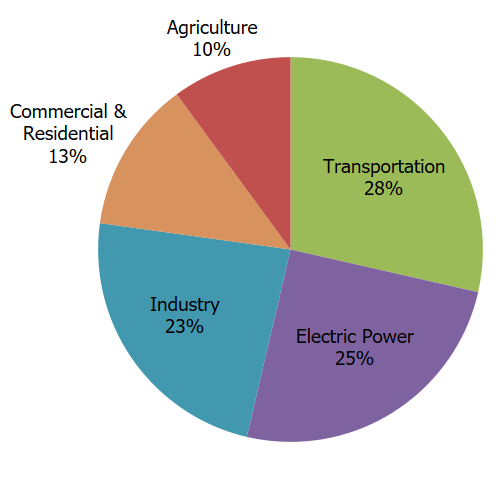
Effective public transportation is an effective way to bring households out of poverty and is a critical method of reducing carbon emissions in a country where transportation is the largest source of carbon emissions.

Total U.S. Greenhouse Gas Emissions by Economic Sector in 2021
Source: https://www.epa.gov/ghgemissions/sources-greenhouse-gas-emissions

In Chautauqua County, the link between transportation and poverty reduction is quite clear based on a study commissioned by the United Way of Southern Chautauqua County. The study looked at the City of Jamestown, which is the largest city in the county and the anchor of the South County region.